
Knee issues manifest in numerous forms and can affect individuals across all age groups and activity levels. From meniscus tears and ligament injuries to chronic conditions such as osteoarthritis, these ailments impact not only the bones and soft tissues but also significantly hinder mobility and quality of life. Common symptoms include persistent pain, reduced range of motion, and a sensation of instability, which can make everyday activities like walking or running difficult.
In these situations, knee braces serve a purpose far beyond simple support—they become vital tools for ensuring protection, maintaining stability, and promoting correct joint alignment. Below, we explore the various types of knee braces available and the specific conditions they are designed to address.
Different Types of Knee Braces
Choosing the right brace is essential for both effective treatment and comfort, whether you are recovering from surgery, managing a common injury or arthritis, or dealing with chronic joint instability. Each type is specifically designed with unique features to address different injuries.
1. Flexible Knee Brace
Non-hinged knee braces provide flexible support and enhanced stability without restricting natural movement. They are ideal for individuals seeking relief from minor knee pain or instability while maintaining full mobility for daily activities or sports performance. By allowing the knee joint to move more freely, these braces offer a balanced combination of protection and flexibility.
Compression Sleeves
Knee sleeves are typically constructed from materials like neoprene, polyester, or elasticised cotton, designed to fit snugly around the knee as a single tube. Available in various sizes and designs, they range from simple compression sleeves to more advanced, contoured versions that feature gel pads or massaging elements aimed at specific areas of the knee. Their primary function is to deliver consistent compression to the joint, helping to reduce pain and swelling while offering muscular support that lessens fatigue and strain on the surrounding muscles and tendons.
Design options
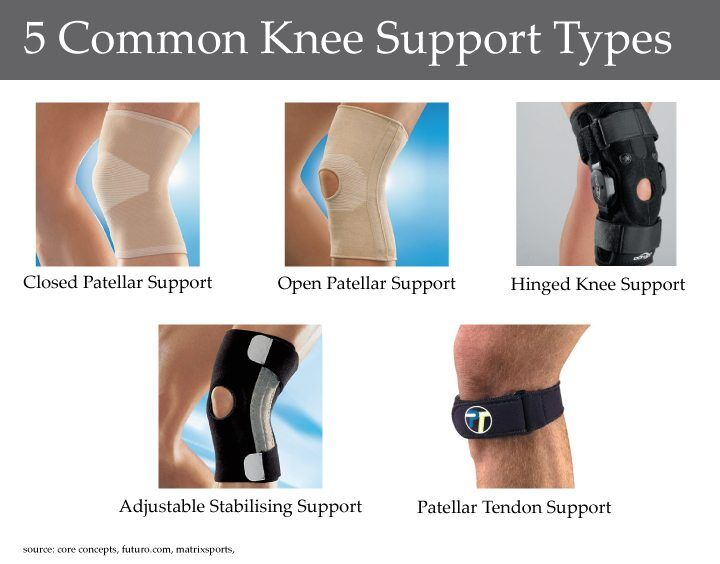
- Open Patella Braces:To address ventilation issues common with certain materials, some sleeve braces have an open center to prevent overheating. An open patella design additionally reduces kneecap pressure and ensures proper tracking.
- Closed Patella Braces: Closed patella braces provide consistent compression and support over the entire kneecap.
- Knee pads: Knee pads are a vital solution for protecting against the impacts and pressures associated with kneeling-intensive jobs or ground-contact sports. They offer protective cushioning that comfortably absorbs shock to the knee joint and disperses pressure during extended kneeling. The effectiveness of this cushioning is often enhanced by a honeycomb design, a configuration that maximizes the padding’s ability to absorb force.
Application
- Swelling in the knee joint
- Minor knee discomfort or pain
- Mild patellar tendinopathy (runner’s or jumper’s knee)
- Minor meniscus strains
- Mild feelings of instability
- Extended recovery after ligament or tendon surgery
- Mild arthritic symptoms
- Small meniscus tears
- Bursitis (inflammation of the bursa pads)
What to look for to get the right one?
- Breathable, Moisture-Wicking Material: While wearing a sleeve may cause overheating, excessive sweating, itching, or discomfort. A breathable material is essential.
- Enhanced Anatomical Fit: An effective knee sleeve should seamlessly conform to your knee’s unique shape, remaining flush against the skin without any bunching or looseness, even during dynamic movement.
- Therapeutic-Grade Compression: The ideal sleeve provides more than just a snug fit; it should offer medical-grade compression. This level of support stabilizes the entire joint while actively engaging the surrounding musculature.
- Comprehensive Sizing: Look for a detailed sizing system designed to accommodate the specific dimensions of your knee and surrounding leg.
- Integrated Massage & Soothing Elements: A valuable feature is the inclusion of supportive gel inserts. These can help minimize muscle tension and provide targeted pain relief, enhancing the overall comfort and therapeutic effect of the sleeve.
Wraparounds
Knee wraps work on the same principle as sleeves, but they are applied and adjusted differently. Made from a single flat piece of material, they are positioned behind the knee and then wrapped around the front to be fastened, typically with Velcro. Their main benefits over sleeves are twofold: they are easier for less flexible people to put on since they don’t require bending the ankle, and the compression strength can be customized by wrapping them tighter. The trade-off is that the fit might be less uniform, and there is a greater risk of the wrap loosening if the straps shift. Their purpose is to provide consistent compression to the knee joint, which helps relieve pain, reduce swelling, and offer general stability to the muscles and tendons.
Application
- Minor knee discomfort
- Mild patellofemoral tendinitis (runner’s/jumper’s knee)
- Low-grade meniscus strain
- Slight joint instability
- Extended post-operative recovery following ligament or tendon injury
- Early-stage fracture healing
- Mild arthritic changes
- Minor meniscal tear
What to look for to get the right one?
- Secure Fastening: If the wrap uses Velcro, opt for high-quality, sweat-resistant material. For designs with buckles or cords, ensure they don’t dig into or pinch your skin.
- Breathable Fabric: Choosing a cool, breathable material is key to staying comfortable.
Patellar Straps
Designed to sit comfortably below the kneecap, the knee strap utilizes a gel-based massage pad to target the area just beneath the knee. While it addresses a specific range of conditions, it provides highly effective relief for those particular issues. It is primarily indicated for the management of mild runner’s knee, mild jumper’s knee, low-grade chondromalacia, and minor patellar instability.
2. Hinged Knee Brace
Hinged knee supports offer a flexible solution for managing knee injuries by merging the compression benefits of a sleeve with the stabilizing effect of a rigid splint. When designed with a solid frame and secure strapping, the hinged brace serves two main purposes: it restricts sideways (lateral and medial) movement and helps reduce direct pressure on the knee joint. While it doesn’t completely offload the joint, it assists the knee in more efficiently transferring force to the rest of the leg during movement.
Deisgn Options(配图)
These supports come in various forms—from simple two-piece hinged splints fastened with straps around the knee, to more advanced designs integrated into sleeves that feature adjustable range-of-motion control and customized strapping. Typically crafted from plastic or metal, these hinged components are best when padded with soft material to ensure both comfort and long-term durability.
Application
- Knee Instability
- Ligamentous Injuries (Mild to Moderate): ACL, MCL, PCL, LCL
- Patellofemoral Conditions (Mild)
- Meniscal Tears (Mild to Moderate)
- Degenerative Joint Disease (Mild to Moderate)
- Post-Fracture Rehabilitation
What to look for to get the right one?
- Weight: A bulky, heavy brace can lead to muscle fatigue and general discomfort, potentially aggravating the very issues it’s meant to solve. Therefore, look for options made from lightweight metal alloys or durable, high-strength plastics.
- Anatomy: The brace must conform to the unique shape of your knee. This is crucial because the sides of the joint can be sensitive to pressure. A proper anatomical fit ensures comfort and even pressure distribution throughout your full range of motion.
- Stability: The core function of a hinged brace is to provide mechanical stabilization. If the brace fails to keep your knee steady during weight-bearing activities (like walking or squatting), it will not provide the necessary support and is ultimately ineffective.
3. Unloader knee braces
When it comes to managing significant knee injuries or chronic discomfort, unloader knee braces offer a highly effective therapeutic approach. Defined by their solid construction—usually featuring a mostly rigid framework—these braces work to offload pressure from the affected area. Advanced versions may integrate compression therapy to minimize swelling, while others are equipped with supplementary strapping to deliver an added layer of support.
Design options
- Partial Unloader: Designed for mild issues like early arthritis (Stage 1 OA), minor meniscus tears, or ligament strains. It gently unloads the knee to ease initial irritation and help reabsorb fluid.
- Compartment Unloader: Ideal for conditions isolated to one area of the knee. Since about 80% of arthritis and meniscus problems affect the inner (medial) compartment, this brace targets that specific region to offload pressure.
- Full Unloader: A heavy-duty rigid brace for severe OA or complex joint problems. It removes the majority of pressure from the knee, providing immediate, long-lasting relief.
Application
- Complex ligament tears (ACL, MCL, PCL, LCL)
- Severe meniscus injuries
- Fractures of the kneecap and upper shin
- Tendon ruptures
- Arthritis (Osteoarthritis and Rheumatoid)
- Advanced cartilage deterioration
- Muscle weakness and atrophy
- Gout management
- Post-operative rehabilitation
What to look for to get the right one?
- Effective Unloading: A brace that fails to provide adequate pressure relief will only lead to partial recovery and persistent pain. It is vital to select a brace that specifically targets the affected joint and effectively diverts weight away from it.
- Anatomical Fit: A contoured fit is essential for efficacy. If your brace shifts throughout the day or causes discomfort due to pressure points, it is not functioning correctly. An ill-fitting brace cannot provide the support you need.
- Lightweight Build: Recovery from a significant injury or surgery often results in reduced mobility. A heavy brace adds unnecessary physical burden, making daily movement and rehabilitation more challenging than it needs to be.
4. Knee Immobiliser
Although active knee use is typically encouraged for injury recovery, immobilization is sometimes necessary. This can be achieved by partially or fully locking the joint with a brace that covers the knee and much of the leg.
Design Options
- Partial immobilization, used after surgery or for conservative care, stops all lateral movement and limits how much the leg can bend or straighten—a standard approach for ligament injuries.
- Full immobilization is required when movement is unbearably painful, a fracture is present, or the knee is unstable due to a neurological issue.
Application
- High-grade ligament tears (MCL, ACL, LCL, PCL)
- Trauma-related or suspected fractures at onset
- Confirmed bone fractures
- Severe joint inflammation
- Post-operative recovery
What to look for to get the right one?
- Comfort: When your knee is immobilized for long stretches, comfort is critical. A brace that feels gentle on the skin and avoids digging into your flesh can mean the difference between a pleasant recovery and a very uncomfortable one.
- Durable Construction: A brace that loses its effectiveness after a few weeks of wear could set your recovery back to square one. Look for quality construction that will last.
Find Your Perfect Fit with AOFIT
Knee braces come in many forms to treat various conditions, including ligament injuries, meniscus tears, and osteoarthritis. The right brace depends on your need for support, protection, and range of motion. For reliable support in both sports and everyday activities, trust AOFIT, your reliable custom brace manufacturer, to deliver a custom fit that helps you stay on the move.

0 Comments